
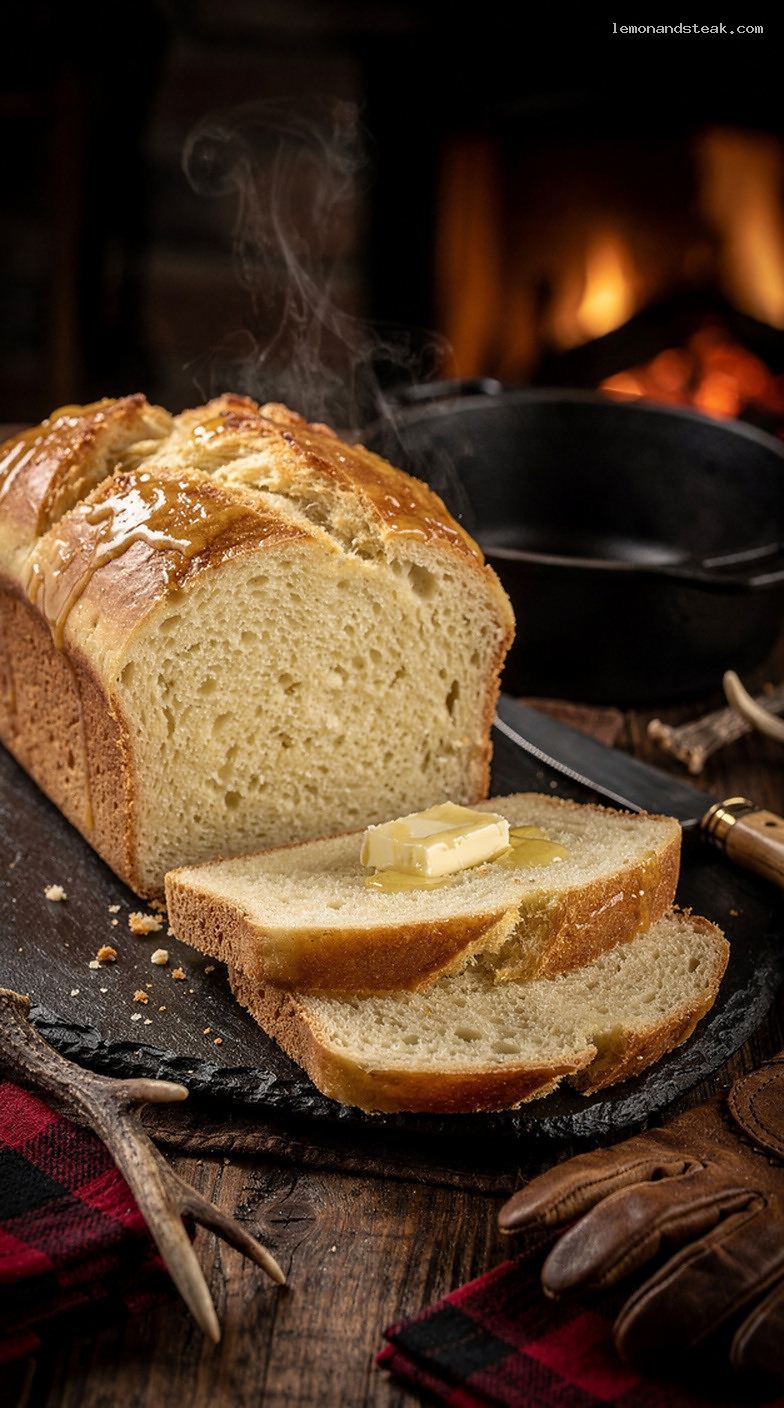
Quick Recipe Version (TL;DR)
Quick Ingredients
- 1 cup (225 g) plain mashed potatoes, cooled to lukewarm
- 3/4 cup (180 ml) whole milk, warmed to 110°F (43°C)
- 2 1/4 tsp (7 g) active dry yeast
- 2 tbsp (25 g) granulated sugar
- 3 1/4 cups (390 g) bread flour, plus more as needed
- 1 3/4 tsp (10 g) fine salt
- 1 large egg
- 4 tbsp (56 g) unsalted butter, melted and cooled (plus 1 tbsp for brushing)
Do This
- 1) Proof yeast: Stir warm milk + sugar + yeast; rest 5–10 minutes until foamy.
- 2) Mix: Add mashed potatoes, egg, melted butter, flour, and salt; mix into a soft dough.
- 3) Knead 8–10 minutes (or 6–8 in mixer) until smooth and slightly tacky.
- 4) First rise: Cover and let rise 60–90 minutes until doubled.
- 5) Shape: Form into a log; place in a greased 9 x 5-inch loaf pan.
- 6) Second rise 45–60 minutes; bake at 350°F (177°C) for 35–40 minutes to 195–200°F internal.
- 7) Brush with butter; cool at least 1 hour before slicing.
Why You’ll Love This Recipe
- Soft and moist crumb: Mashed potatoes keep the loaf tender without making it heavy.
- Stays fresh longer: This bread remains pleasantly soft for days compared to many homemade loaves.
- Subtle, cozy flavor: A gentle sweetness and rich dairy notes make it perfect for toast or sandwiches.
- Approachable yeast bread: The dough is forgiving and easy to shape in a loaf pan.
Grocery List
- Produce: 1 starchy potato (Russet/Idaho) or leftover plain mashed potatoes
- Dairy: Whole milk, unsalted butter
- Pantry: Active dry yeast, granulated sugar, bread flour, fine salt
Full Ingredients
Mashed Potatoes (choose one option)
- Option A (from scratch): 1 large Russet potato (about 12 oz / 340 g), peeled and cut into 1-inch chunks; plus water and 1/2 tsp salt for boiling
- Option B (leftover): 1 cup (225 g) plain mashed potatoes (no garlic, no sour cream, no heavy mix-ins), cooled to lukewarm
Dough
- 3/4 cup (180 ml) whole milk, warmed to 110°F (43°C)
- 2 1/4 tsp (7 g) active dry yeast (1 packet)
- 2 tbsp (25 g) granulated sugar
- 1 cup (225 g) plain mashed potatoes, cooled to lukewarm
- 1 large egg, at room temperature
- 4 tbsp (56 g) unsalted butter, melted and cooled (should be warm, not hot)
- 3 1/4 cups (390 g) bread flour, plus 1–3 tbsp as needed for dusting
- 1 3/4 tsp (10 g) fine salt
For the Pan and Finish
- 1 tsp butter or neutral oil, to grease the pan
- 1 tbsp (14 g) unsalted butter, melted (for brushing after baking)
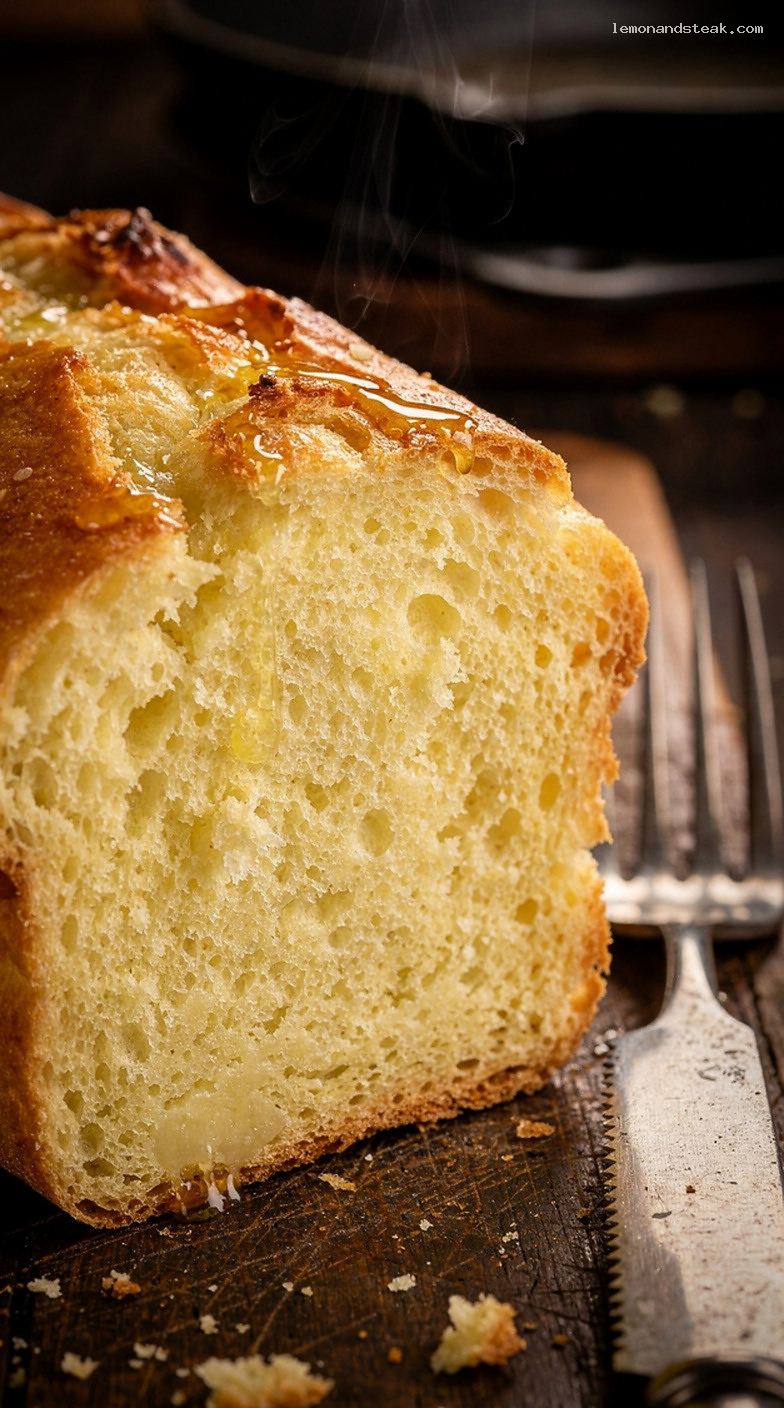
Step-by-Step Instructions
Step 1: Make (or measure) the mashed potatoes
If using leftover mashed potatoes, measure 1 cup (225 g) and set it aside to come to lukewarm (cold potatoes can slow the yeast).
If making from scratch: place the peeled potato chunks in a small pot, cover with cold water by 1 inch, and add 1/2 tsp salt. Bring to a boil, then reduce to a steady simmer and cook for 12–15 minutes, until very tender. Drain thoroughly, then mash until smooth. Measure 1 cup (225 g) and let it cool until just warm to the touch.
Step 2: Proof the yeast
Warm the milk to 110°F (43°C) (warm, not hot). In a large mixing bowl (or the bowl of a stand mixer), stir together the warm milk, sugar, and active dry yeast.
Let stand for 5–10 minutes, until the surface looks foamy and the mixture smells pleasantly yeasty. If it does not foam, the yeast may be old or the milk may have been too hot or too cool; it’s best to start over for reliable rise.
Step 3: Mix the dough
Add the mashed potatoes, egg, and melted butter to the yeast mixture and stir until mostly combined (a few small potato lumps are fine).
Add the bread flour and salt. Mix until a shaggy dough forms and there are no dry patches of flour. The dough should feel soft and a little tacky; potato doughs are naturally more tender and slightly stickier than lean sandwich breads.
Step 4: Knead until smooth and elastic
By stand mixer: Knead with the dough hook on medium-low speed for 6–8 minutes, until the dough is smooth and stretchy and cleans the sides of the bowl (it may still stick a little at the bottom).
By hand: Turn dough onto a lightly floured surface and knead for 8–10 minutes. Add flour sparingly (1 tsp at a time) only if the dough is unmanageably sticky. You want a soft dough that yields a tender loaf.
To check: pinch off a small piece and stretch it gently. If it forms a thin “window” before tearing, you’re in good shape.
Step 5: First rise (until doubled)
Form the dough into a ball and place it in a lightly greased bowl. Cover tightly with a lid, plastic wrap, or a damp towel.
Let rise in a warm spot (about 75–80°F / 24–27°C) for 60–90 minutes, until roughly doubled in size. Rise time will vary with room temperature and yeast activity.
Step 6: Shape and second rise
Grease a 9 x 5-inch loaf pan with butter or neutral oil.
Gently punch down the dough to release excess gas. Turn it out onto a lightly floured surface and pat into a rough rectangle about the length of your loaf pan. Roll it up tightly into a log (pinch the seam closed), then tuck the ends under for a neat shape.
Place seam-side down in the prepared pan. Cover and let rise for 45–60 minutes, until the dough crowns about 1 inch above the rim of the pan and springs back slowly when gently pressed.
Step 7: Bake and finish
While the dough finishes rising, preheat the oven to 350°F (177°C) with a rack in the center.
Bake for 35–40 minutes, until deeply golden brown. For accuracy, check an instant-read thermometer inserted into the center: it should read 195–200°F (90–93°C).
Remove from the oven and brush the top with 1 tbsp melted butter for a soft, flavorful crust. Cool in the pan for 10 minutes, then turn out onto a wire rack and cool for at least 1 hour before slicing (this sets the crumb and keeps slices from becoming gummy).
Pro Tips
- Use plain potatoes: Avoid mashed potatoes with lots of add-ins (garlic, sour cream, heavy cheese). They can change the dough’s hydration and weaken structure.
- Measure mashed potatoes by weight if possible: 225 g keeps the dough consistent, since “1 cup” of mashed potatoes can vary based on how tightly it’s packed.
- Don’t over-flour: A slightly tacky dough bakes up softer. Add flour only if the dough is so sticky you cannot knead or shape it.
- Watch the rise, not the clock: The second rise is ready when the dough slowly springs back after a gentle press.
- For clean slices: Let the loaf cool fully, then use a serrated bread knife with light sawing motions.
Variations
- Honey-oat potato bread: Replace sugar with 2 tbsp (42 g) honey and sprinkle 2 tbsp rolled oats on top right after brushing with butter.
- Herb butter potato bread: Add 1 tsp dried rosemary (or 1 tbsp fresh, chopped) and 1/2 tsp garlic powder to the flour. Brush with garlic-herb butter after baking.
- Potato dinner rolls: Shape into 12 rolls, place in a greased 9 x 13-inch pan, rise 30–45 minutes, and bake at 350°F (177°C) for 18–22 minutes.
Storage & Make-Ahead
Let the loaf cool completely, then store tightly wrapped at room temperature for 3 days. For longer storage, slice the cooled bread and freeze in a freezer bag for up to 2 months. Thaw slices at room temperature for 20–30 minutes or toast straight from frozen. If your kitchen is very warm or humid, consider refrigerating after day 2, but note that refrigeration can dry bread faster; to revive, toast or warm slices gently.
Nutrition (per serving)
Approximate per slice (1/12 loaf): 180 calories, 4 g fat, 32 g carbohydrates, 2 g fiber, 3 g sugar, 5 g protein, 310 mg sodium. Values vary by flour brand and exact potato moisture.
Leave a Reply