
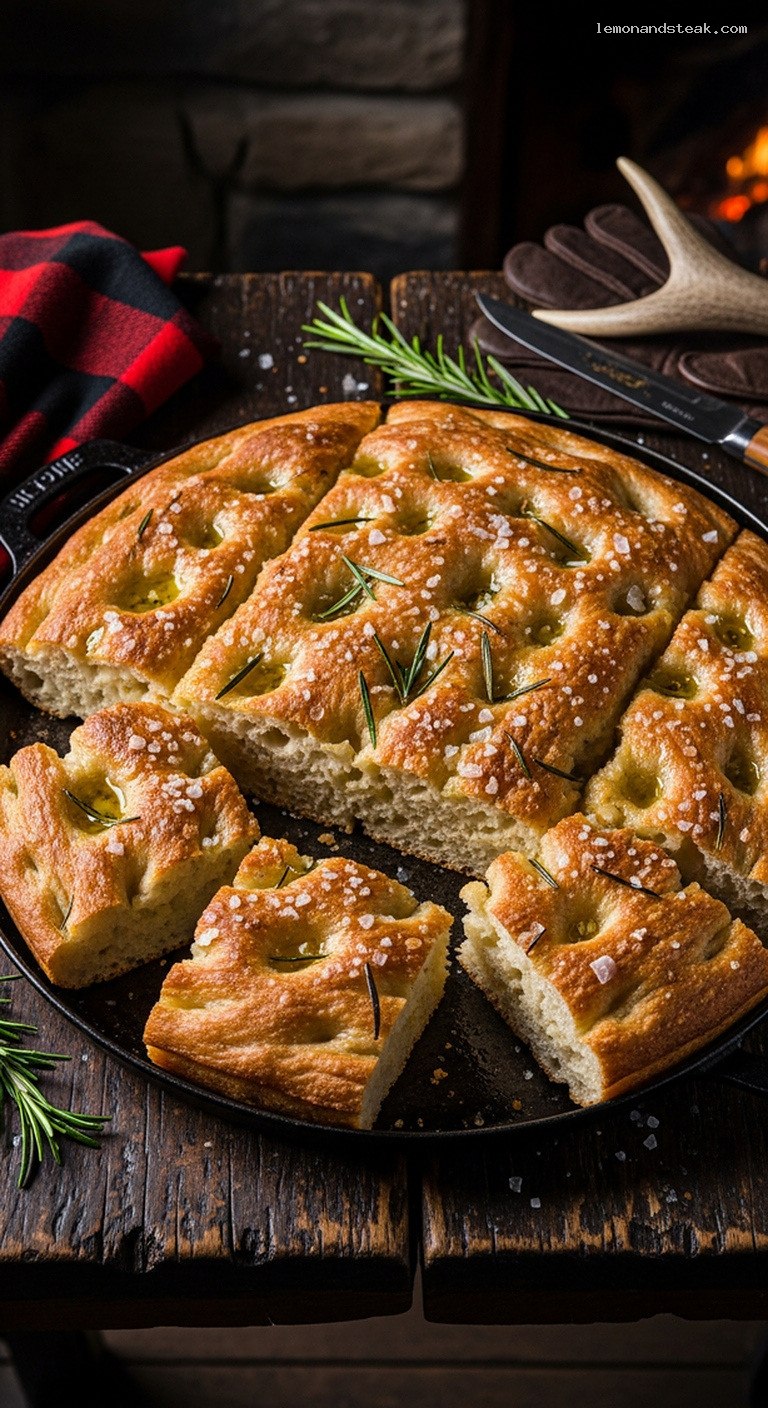
Quick Recipe Version (TL;DR)
Quick Ingredients
- 1 lb (450 g) potatoes, peeled and cubed
- 1 1/4 cups (295 ml) warm water (preferably potato cooking water)
- 4 cups (520 g) bread or all-purpose flour
- 2 1/4 tsp (7 g) instant or active dry yeast
- 2 tsp fine sea salt
- 1 tsp sugar
- 1/4 cup (60 ml) extra-virgin olive oil (for dough)
- 1/3 cup (80 ml) extra-virgin olive oil (for pan and topping)
- 2 tbsp fresh rosemary leaves, chopped
- 1–1 1/2 tsp flaky sea salt, for topping
- Freshly ground black pepper (optional)
Do This
- 1. Boil potatoes in salted water until very tender, drain (saving 1 1/2 cups water), and mash until smooth; cool until just warm.
- 2. In a large bowl, combine warm potato water (1 1/4 cups), sugar, and yeast; let sit 5–10 minutes if using active dry yeast.
- 3. Stir in mashed potatoes, flour, fine salt, and 1/4 cup olive oil; mix to a sticky dough, then knead 8–10 minutes until smooth and elastic.
- 4. Place dough in an oiled bowl, cover, and let rise until doubled, 60–75 minutes.
- 5. Generously oil a 9×13 inch (or similar) pan, stretch dough to fit, cover, and let rise again 30–40 minutes while preheating oven to 425°F (220°C).
- 6. Press deep dimples into dough with oiled fingers, drizzle with olive oil, sprinkle rosemary, flaky salt, and pepper.
- 7. Bake 20–25 minutes until deep golden and crisp-edged; cool at least 10 minutes before slicing and serving.
Why You’ll Love This Recipe
- Mashed potatoes in the dough make the focaccia incredibly soft, fluffy, and moist inside.
- Generous olive oil, rosemary, and flaky salt give it a rustic, bakery-style flavor and texture.
- The dough is forgiving and easy for home bakers, even if you are new to yeast breads.
- Perfect as a side for soups and stews, a base for sandwiches, or a simple appetizer with dips.
Grocery List
- Produce: Potatoes (russet or Yukon Gold), fresh rosemary, optional garlic (for variations)
- Dairy: None required (recipe is naturally dairy-free)
- Pantry: Bread or all-purpose flour, instant or active dry yeast, extra-virgin olive oil, fine sea salt, flaky sea salt, sugar, black pepper
Full Ingredients
For the Mashed Potatoes
- 1 lb (450 g) starchy or all-purpose potatoes (russet or Yukon Gold), peeled and cut into 1-inch chunks
- Water, for boiling (enough to cover potatoes by 1–2 inches)
- 1 tsp fine sea salt (for the cooking water)
For the Focaccia Dough
- 1 1/4 cups (295 ml) warm potato cooking water (about 105–115°F / 40–46°C)
- 1 tsp sugar
- 2 1/4 tsp (7 g) instant or active dry yeast
- 1 1/2 cups (about 300 g) warm mashed potatoes (from above), without added butter or milk
- 4 cups (520 g) bread flour or unbleached all-purpose flour
- 2 tsp fine sea salt
- 1/4 cup (60 ml) extra-virgin olive oil
For the Pan, Topping, and Finishing
- 1/4 cup (60 ml) extra-virgin olive oil, for coating the pan
- 2–3 tbsp extra-virgin olive oil, for drizzling on top
- 2 tbsp fresh rosemary leaves, roughly chopped
- 1–1 1/2 tsp flaky sea salt
- Freshly ground black pepper, to taste (optional)
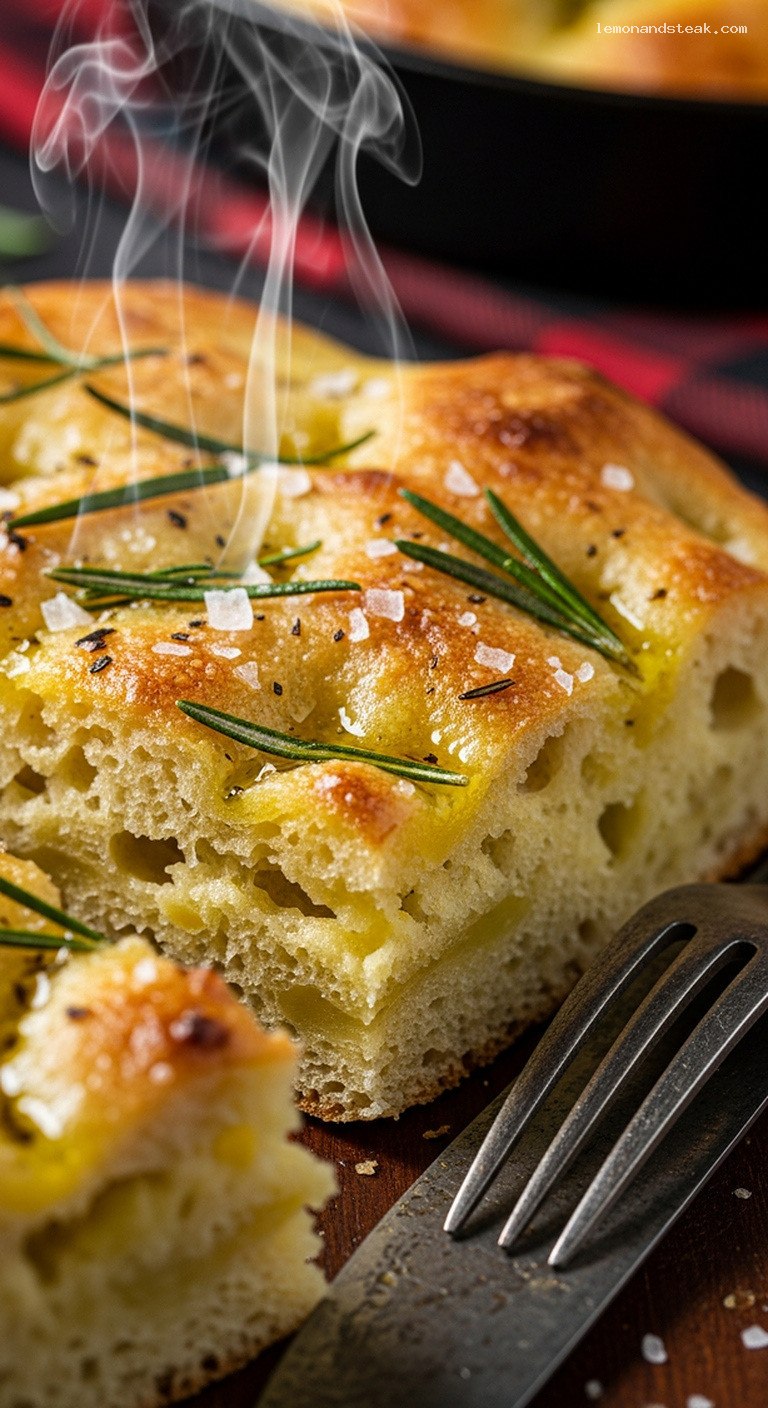
Step-by-Step Instructions
Step 1: Cook and mash the potatoes
Place the peeled, cubed potatoes in a medium saucepan and cover with cold water by about 1–2 inches. Add 1 teaspoon of fine sea salt to the water. Bring to a boil over medium-high heat, then reduce to a gentle boil and cook until the potatoes are very tender and easily pierced with a fork, about 12–15 minutes.
Reserve about 1 1/2 cups of the hot potato cooking water in a heatproof measuring cup, then drain the potatoes well. Return the potatoes to the warm pot and mash until completely smooth, with no lumps. You should have about 1 1/2 cups (300 g) mashed potatoes. Let the mashed potatoes cool until just warm (not hot), and let the reserved potato water cool to warm (105–115°F / 40–46°C). Using water that is too hot can kill the yeast.
Step 2: Activate the yeast and start the dough
In a large mixing bowl (or the bowl of a stand mixer), combine 1 1/4 cups (295 ml) of the warm potato water with the sugar. Sprinkle the yeast over the top and stir to dissolve. If using active dry yeast, let it sit for 5–10 minutes until foamy and creamy on the surface. If using instant yeast, you can proceed right away, though a few minutes of hydration still helps.
Add the warm mashed potatoes, flour, and fine sea salt to the bowl. Pour in 1/4 cup (60 ml) olive oil. Using a wooden spoon or the dough hook attachment on a stand mixer, mix until a rough, shaggy, sticky dough forms and there are no big dry patches of flour.
Step 3: Knead the dough until smooth and elastic
If kneading by hand, turn the dough out onto a lightly floured surface. Knead for 8–10 minutes, stretching and folding the dough until it becomes smooth, elastic, and slightly tacky but not overly sticky. Add just a light dusting of flour as needed to prevent sticking, but avoid adding too much so the focaccia stays soft.
If using a stand mixer, knead on medium-low speed with the dough hook for 6–8 minutes, scraping down the bowl once or twice if needed. The finished dough should pull away from the sides of the bowl but still cling a bit to the bottom. If it seems very dry, sprinkle in 1–2 teaspoons of warm water; if very wet, add 1–2 tablespoons of flour. A slightly sticky dough is ideal for light, airy focaccia.
Step 4: Let the dough rise until doubled
Lightly oil a large clean bowl with olive oil. Shape the dough into a rough ball and place it in the bowl, turning once to coat all sides with oil. This prevents sticking and helps keep the surface soft during rising.
Cover the bowl tightly with plastic wrap, a reusable cover, or a damp kitchen towel. Let the dough rise in a warm, draft-free spot until doubled in size, about 60–75 minutes. In a cool kitchen, this may take closer to 90 minutes. The dough is ready when a gentle poke with your fingertip leaves a soft indentation that does not spring back quickly.
Step 5: Prepare the pan and give the dough a second rise
Generously oil a 9×13 inch (23×33 cm) baking pan or a rimmed baking sheet about 10×15 inches (25×38 cm) with 1/4 cup (60 ml) olive oil. Make sure the bottom is well coated and some oil creeps up the sides; this is what gives focaccia its characteristic crisp, almost fried edges.
Gently turn the risen dough out into the center of the pan. With oiled fingertips, press and stretch the dough toward the edges. If it springs back and resists, let it rest for 5–10 minutes, then continue stretching until the dough fills the pan in an even layer. Cover loosely with a lightly oiled piece of plastic wrap or a towel and let it rise again for 30–40 minutes, until slightly puffy. While the dough proofs, preheat your oven to 425°F (220°C) with a rack in the center.
Step 6: Dimple, top with herbs, and drizzle with olive oil
When the dough is visibly puffy, remove the cover. Dip your fingertips in a little olive oil and press them straight down into the dough, all the way to the bottom of the pan, creating deep dimples across the entire surface. Do not be shy; lots of dimples are key to classic focaccia texture and catching pockets of oil.
Drizzle 2–3 tablespoons of olive oil evenly over the top, allowing it to pool slightly in the dimples. Sprinkle the chopped fresh rosemary evenly over the dough, followed by flaky sea salt. Add a few grinds of black pepper if you like. The surface should look generously seasoned and lightly glossy from the oil.
Step 7: Bake, cool slightly, and serve
Place the pan in the preheated 425°F (220°C) oven. Bake for 20–25 minutes, rotating the pan halfway through, until the focaccia is deep golden brown on top and crisp at the edges. The bottom should be well browned and sound hollow when tapped.
Remove the pan from the oven and let the focaccia cool in the pan for at least 10–15 minutes. This rest allows the crumb to set and the steam to redistribute, so the interior stays soft rather than gummy. Carefully lift the focaccia out onto a cutting board using a spatula. Cut into squares or strips and serve warm or at room temperature. If you like, finish with an extra drizzle of olive oil and a final pinch of flaky salt just before serving.
Pro Tips
- Use the potato water: The starchy cooking water adds flavor and helps create an especially tender crumb and crisp crust.
- Keep the dough slightly sticky: Resist adding too much extra flour. A soft, tacky dough bakes up much lighter and airier.
- Be generous with olive oil: The oil in the pan and on top is what gives focaccia its signature golden, almost fried edges and rich flavor.
- Let the dimples be deep: Press all the way to the bottom of the pan so the oil and rosemary settle into the dough rather than just sitting on the surface.
- Use fresh rosemary: Dried rosemary can be harsh; fresh leaves give a bright, aromatic, rustic flavor that pairs beautifully with potatoes.
Variations
- Garlic and herb focaccia: Add 2–3 minced garlic cloves to the dough during mixing, and scatter an extra clove or two of finely sliced garlic over the top with the rosemary before baking.
- Potato and onion topping: Thinly slice half a small red or yellow onion and toss with a teaspoon of olive oil and a pinch of salt. Scatter over the dimpled dough along with the rosemary for a sweeter, more complex topping.
- Cheesy potato focaccia: Sprinkle 1/2–3/4 cup grated Parmesan or finely shredded sharp cheese over the dough after adding the rosemary and oil, then bake as directed for a richer, heartier bread.
Storage & Make-Ahead
Once completely cooled, store the focaccia tightly wrapped or in an airtight container at room temperature for up to 2 days. For longer storage, wrap individual pieces in plastic wrap, place in a freezer bag, and freeze for up to 2 months. Reheat from room temperature or frozen in a 350°F (175°C) oven for 8–10 minutes, or until warmed through and edges are crisp again.
For a make-ahead dough, you can complete the first rise in the refrigerator: after kneading, place the dough in an oiled bowl, cover, and refrigerate for 8–24 hours. Bring to room temperature for about 45–60 minutes, then proceed with stretching into the pan, second rise, dimpling, and baking.
Nutrition (per serving)
Approximate values per serving (1 of 12): about 290–310 calories, 12–14 g fat, 42–45 g carbohydrates, 2–3 g fiber, 6–7 g protein, and 450–550 mg sodium (will vary depending on how much flaky salt and oil you use on top).
Leave a Reply