
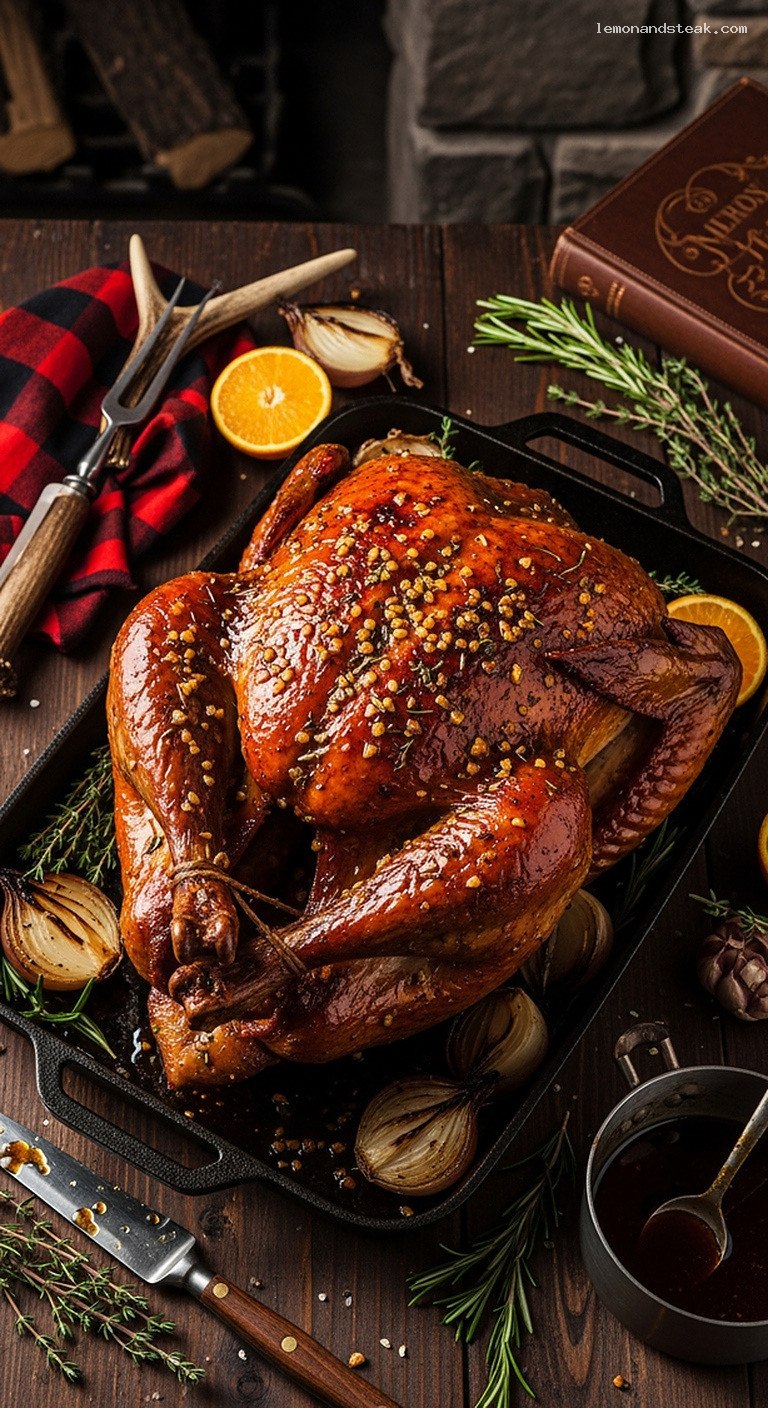
Quick Recipe Version (TL;DR)
Quick Ingredients
- 1 whole turkey, 10–12 lb, thawed
- 3 tbsp kosher salt, 1½ tsp black pepper, 1 tsp garlic powder, 1 tsp onion powder
- 1 orange (quartered), 1 small onion (quartered), a few sprigs thyme and rosemary
- Garlic-soy butter: 6 tbsp unsalted butter (soft), 2 tbsp low-sodium soy sauce, 4 minced garlic cloves, 1 tbsp honey, 1 tbsp Dijon mustard
- Glaze: ½ cup honey, ¼ cup low-sodium soy sauce, ¼ cup chicken broth, 2 tbsp butter, 4 minced garlic cloves, 1 tbsp apple cider vinegar, 1 tbsp Dijon, pinch red pepper flakes (optional)
- 1 cup chicken broth or water for the roasting pan; fresh parsley for garnish
Do This
- 1. Pat turkey dry, remove giblets, and season all over (and under the skin if you can) with salt, pepper, garlic powder, and onion powder. Chill uncovered 12–24 hours if possible.
- 2. Heat oven to 325°F (165°C). Mix garlic-soy butter ingredients into a smooth paste.
- 3. Loosen turkey skin over breast and thighs and rub most of the garlic-soy butter under the skin, the rest over the outside. Stuff cavity with orange, onion, and herbs.
- 4. Place turkey on a rack in a roasting pan with 1 cup broth or water. Roast, uncovered, about 2 hours, basting with pan juices every 30–45 minutes.
- 5. Meanwhile, simmer glaze ingredients 5–8 minutes until slightly syrupy. Brush turkey with glaze during the last 45–60 minutes of roasting, every 15–20 minutes, until deep golden and 165°F in the thickest parts.
- 6. Rest turkey 20–30 minutes before carving. Whisk a little glaze into the pan drippings and serve alongside.
Why You’ll Love This Recipe
- Familiar flavors: garlic, honey, and soy combine into a sweet, savory, crowd-pleasing glaze that tastes comforting, not “out there.”
- Beautifully bronzed skin and juicy meat thanks to a simple overnight seasoning and a buttery rub under the skin.
- Make-ahead friendly glaze and flexible timing, so you are not stressed on the big day.
- Works for holidays or any special dinner where you want a centerpiece turkey with a little extra flavor.
Grocery List
- Produce: 1 whole head of garlic (you will use about 8 cloves), 1 small yellow onion, 1 orange, fresh thyme, fresh rosemary, fresh parsley (for garnish, optional)
- Dairy: Unsalted butter
- Pantry: Whole turkey (10–12 lb), low-sodium soy sauce, honey, chicken broth or stock, Dijon mustard, apple cider vinegar, olive oil (optional), kosher salt, black pepper, garlic powder, onion powder, red pepper flakes (optional), cornstarch (optional for thickening)
Full Ingredients
For the Turkey
- 1 whole turkey, 10–12 lb, fully thawed
- 3 tbsp kosher salt (use 2 tbsp if using a self-basting or pre-brined bird)
- 1½ tsp freshly ground black pepper
- 1 tsp garlic powder
- 1 tsp onion powder
- 1 small yellow onion, quartered
- 1 orange, scrubbed and quartered
- 4 sprigs fresh thyme (or 1 tsp dried thyme)
- 2 sprigs fresh rosemary (or ½ tsp dried rosemary)
- 1–2 tbsp olive oil (for brushing the roasting rack or pan, optional)
- 1 cup low-sodium chicken broth or water (for the roasting pan)
Garlic-Soy Butter Rub
- 6 tbsp unsalted butter, softened to room temperature
- 2 tbsp low-sodium soy sauce
- 4 cloves garlic, very finely minced or pressed
- 1 tbsp honey
- 1 tbsp Dijon mustard
- ½ tsp freshly ground black pepper
Garlic-Honey–Soy Glaze
- ½ cup honey
- ¼ cup low-sodium soy sauce
- ¼ cup low-sodium chicken broth
- 2 tbsp unsalted butter
- 4 cloves garlic, minced or grated
- 1 tbsp apple cider vinegar
- 1 tbsp Dijon mustard
- Pinch red pepper flakes (optional, for gentle heat)
- 1 tsp cornstarch mixed with 1 tbsp cold water (optional, for a thicker glaze)
To Serve
- Chopped fresh parsley or extra thyme leaves, for garnish (optional)
- Extra chicken broth as needed to adjust the pan sauce
Step-by-Step Instructions
Step 1: Thaw, prep, and dry-brine the turkey
If your turkey is frozen, make sure it is fully thawed in the refrigerator (usually 3–4 days for a 10–12 lb bird). When ready to season, remove the turkey from its packaging. Take out the neck and giblet packet from the cavity (often there is a second packet in the neck cavity). Pat the turkey very dry with paper towels, inside and out.
In a small bowl, mix the kosher salt, black pepper, garlic powder, and onion powder. Sprinkle this mixture evenly all over the turkey, including inside the cavity and, if you can, under the skin over the breast and thighs. Place the turkey breast-side up on a rack set over a rimmed baking sheet or in your roasting pan. Refrigerate, uncovered, for at least 4 hours and up to 24 hours. This dry-brining step helps season the meat deeply and encourages crisp, evenly browned skin.
Step 2: Make the garlic-soy butter
About 45 minutes before you want to start roasting, take the turkey out of the refrigerator so the chill starts to come off. In a medium bowl, combine the softened butter, soy sauce, minced garlic, honey, Dijon mustard, and black pepper. Mash and stir with a fork until it forms a smooth, spreadable paste.
Taste a tiny bit of the butter (it will be salty because of the soy). This butter is meant to season the skin and outer part of the meat, so it should taste boldly seasoned and garlicky. If you want a slightly sweeter profile, add an extra teaspoon or two of honey and mix again.
Step 3: Prep the turkey and roasting pan
Heat your oven to 325°F (165°C) with a rack in the lower third. Lightly oil your roasting rack or the bottom of a large roasting pan with olive oil to reduce sticking. Pour 1 cup of chicken broth or water into the pan.
With the turkey breast-side up, gently loosen the skin over the breasts and thighs by sliding your fingers between the skin and meat, being careful not to tear the skin. Use about two-thirds of the garlic-soy butter to rub under the skin, pushing it as far over the breasts and thighs as you can. Spread the remaining butter all over the outside of the turkey.
Stuff the cavity with the quartered onion, orange, and the thyme and rosemary sprigs. Tuck the wing tips under the bird to prevent burning. If you like, tie the legs loosely together with kitchen twine for a tidier shape and more even cooking.
Step 4: Start roasting the turkey
Place the turkey on the rack in the prepared roasting pan, breast-side up. Slide the pan into the oven. Roast at 325°F (165°C) until the skin starts to turn light golden, about 1½ to 2 hours for a 10–12 lb turkey.
Every 30–45 minutes, baste the turkey with the pan juices using a spoon or baster. If the pan looks dry at any point, add another ½ cup of broth or water. You are not looking for deep color yet; this first stage is about gently cooking the meat through.
As you get close to the 2-hour mark, start checking the internal temperature with an instant-read thermometer. Insert it into the thickest part of the thigh (not touching bone). Once it reaches about 135–140°F, it is time to start glazing.
Step 5: Make the garlic-honey–soy glaze
While the turkey roasts, prepare the glaze. In a small saucepan, combine the honey, soy sauce, chicken broth, butter, minced garlic, apple cider vinegar, Dijon mustard, and red pepper flakes (if using). Bring to a gentle simmer over medium heat, stirring occasionally.
Let the mixture bubble for 5–8 minutes, stirring now and then, until it has reduced slightly and becomes glossy. If you prefer a thicker, more brushable glaze, stir the cornstarch and cold water together in a small bowl, then whisk that slurry into the simmering glaze. Cook for 1–2 more minutes until it lightly thickens and can coat the back of a spoon.
Remove the pan from the heat and set the glaze aside. It will thicken a bit more as it cools. If it becomes too thick to brush later, you can stir in a spoonful or two of hot water or pan juices to loosen it.
Step 6: Glaze and finish roasting
When the turkey reaches around 135–140°F in the thigh, start brushing it generously with the warm garlic-honey–soy glaze. Use a pastry brush to coat the breast, legs, and wings. Return the turkey to the oven and continue roasting, brushing with more glaze every 15–20 minutes.
Keep an eye on the color: you are aiming for a deep golden brown with a shiny, slightly sticky coating. If any part of the bird is getting too dark before the rest catches up, tent that area loosely with a piece of foil. Continue roasting until the thickest part of the thigh and the deepest part of the breast each register 165°F on an instant-read thermometer. For a 10–12 lb turkey, this usually takes a total of about 3 to 3¼ hours.
When the turkey is done, carefully transfer it to a cutting board or serving platter. Tent loosely with foil and let it rest for 20–30 minutes so the juices redistribute.
Step 7: Make a quick pan sauce and serve
While the turkey rests, pour the pan drippings into a fat separator or a heat-safe measuring cup. Let the fat rise to the top and spoon it off (or keep a tablespoon or two for extra richness if you like). Return the remaining juices to the roasting pan or a saucepan set over medium heat.
Add a few spoonfuls of any leftover glaze to the pan juices and whisk to combine. If you want more volume, stir in a splash of chicken broth. Simmer for 3–5 minutes, scraping up any browned bits from the bottom of the pan, until the sauce is hot and slightly thickened. Taste and adjust seasoning with a bit more soy, honey, or vinegar as needed.
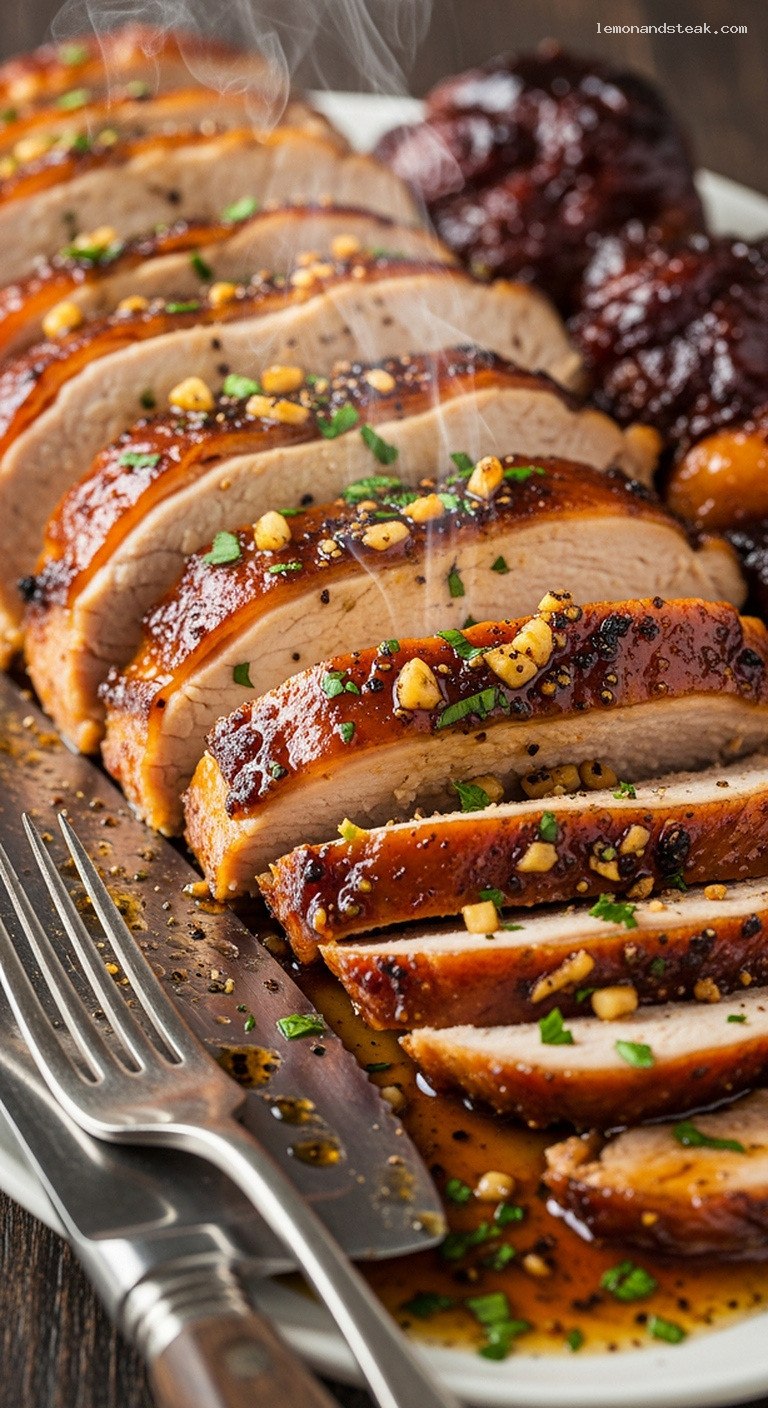
Carve the turkey: remove the legs, thighs, and wings, then slice the breast meat across the grain. Arrange the pieces on a warm platter, spoon some of the glossy garlic-honey–soy pan sauce over the top, and garnish with chopped fresh parsley or thyme if you like. Serve the remaining sauce on the side.
Pro Tips
- Plan for thawing and resting time. A frozen turkey needs several days to thaw in the fridge, plus 12–24 hours for the dry-brine if you choose to do it. The rest after roasting is just as important for juicy meat.
- Do not skip patting dry. Removing surface moisture before seasoning and roasting helps the skin crisp and take on that beautiful, lacquered glaze.
- Use a thermometer, not the pop-up timer. An instant-read thermometer is the most reliable way to avoid dry turkey and ensures you pull it at the perfect doneness.
- Glaze late to prevent burning. Because honey and soy can scorch, wait until the turkey is nearly cooked before brushing on the glaze, and reapply in thin layers.
- Adjust sweetness to taste. If you prefer a less sweet glaze, reduce the honey by 2–3 tablespoons and add a splash more broth or vinegar.
Variations
- Spiced maple version: Swap half of the honey in the glaze for pure maple syrup and add ½ tsp smoked paprika. This keeps the same sweet-savory feel with a slightly smokier, more autumnal flavor.
- Herb-forward take: Stir 1–2 tbsp finely chopped fresh rosemary and thyme into the garlic-soy butter and reduce the honey in the glaze by 2 tbsp. You will get a more traditional herb-roasted flavor with a gentle sweet finish.
- Turkey breast only: Use a 6–7 lb bone-in turkey breast instead of a whole bird. Roast at 325°F (165°C) for about 2–2½ hours total, glazing during the last 30–40 minutes, until the thickest part of the breast hits 165°F.
Storage & Make-Ahead
Leftover turkey keeps well. Once completely cool, carve the meat off the bones and store it in an airtight container in the refrigerator for up to 3–4 days. The garlic-honey–soy flavors actually deepen a bit by the next day. For longer storage, freeze sliced turkey with a little of the pan sauce in freezer bags or containers for up to 2–3 months; thaw overnight in the fridge and reheat gently with extra broth or water to keep it moist.
You can make the garlic-honey–soy glaze up to 3 days ahead. Store it in a covered jar in the refrigerator, then rewarm on the stovetop and thin with a splash of water or broth before brushing on the turkey. You can also dry-brine the turkey 1 day ahead; simply leave it uncovered in the fridge until you are ready to roast.
Nutrition (per serving)
Approximate values for 1 serving (about 6 oz roasted turkey meat with skin plus a spoonful of glaze and pan sauce): 380–420 calories; 48 g protein; 14 g fat; 12–16 g carbohydrates; 11–13 g sugars; 1–2 g fiber; 900–1100 mg sodium. Actual values will vary based on the exact size of the turkey, how much skin and sauce are eaten, and the specific brands of ingredients you use.
Leave a Reply